

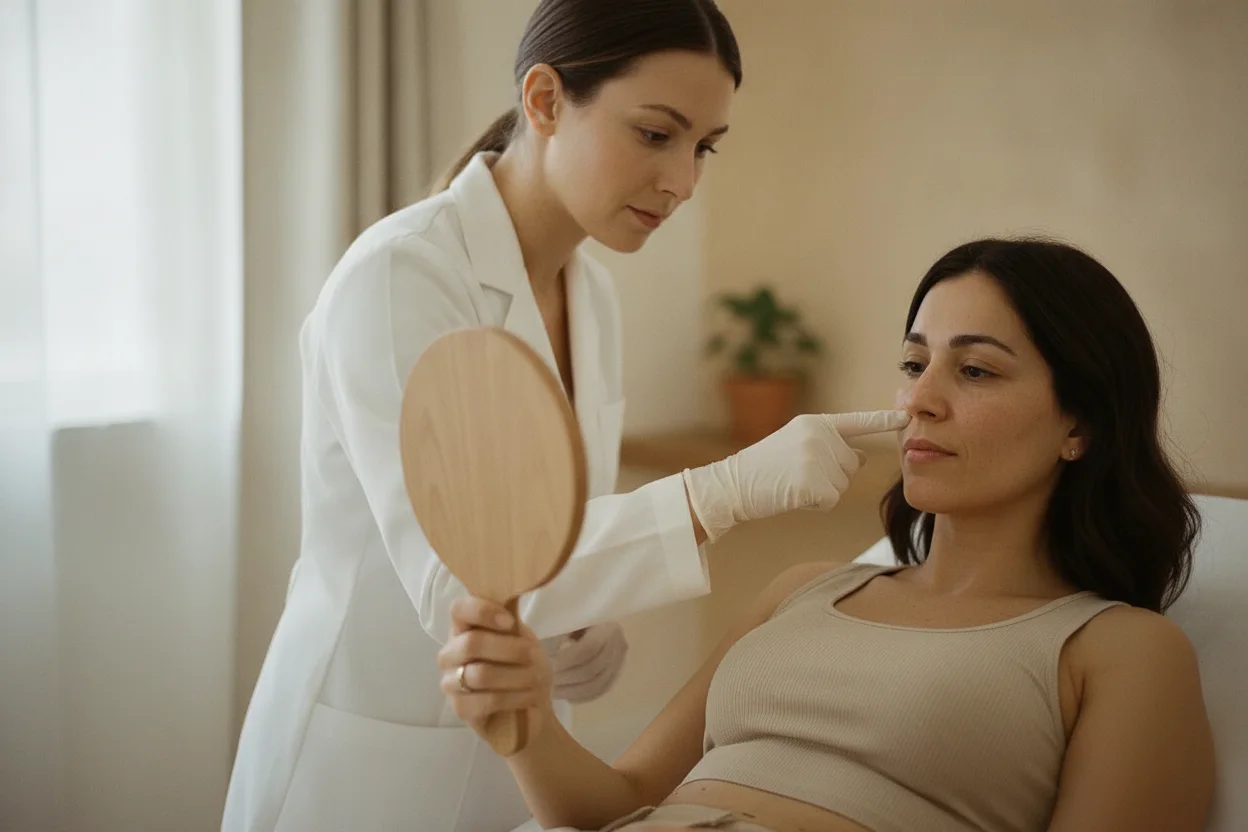
Melasma & Pigmentation treatment in Dubai
Dark patches, sun spots and marks left by breakouts can be faded and kept under control. Your doctor finds the cause first, then builds a brightening plan that suits your skin type and the Dubai sun.
Treatments that help
with pigmentation & melasma
Your doctor recommends one option, or a combination, after examining your skin or body at a free consultation.
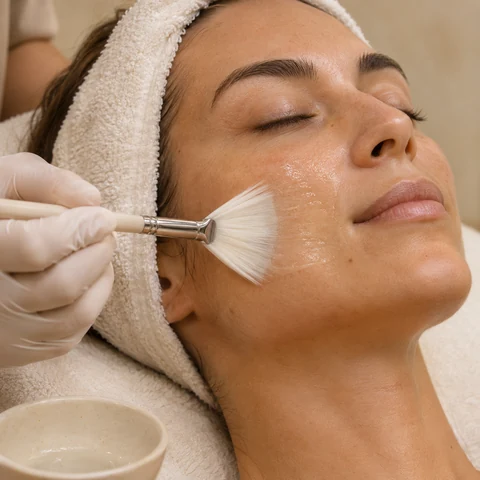
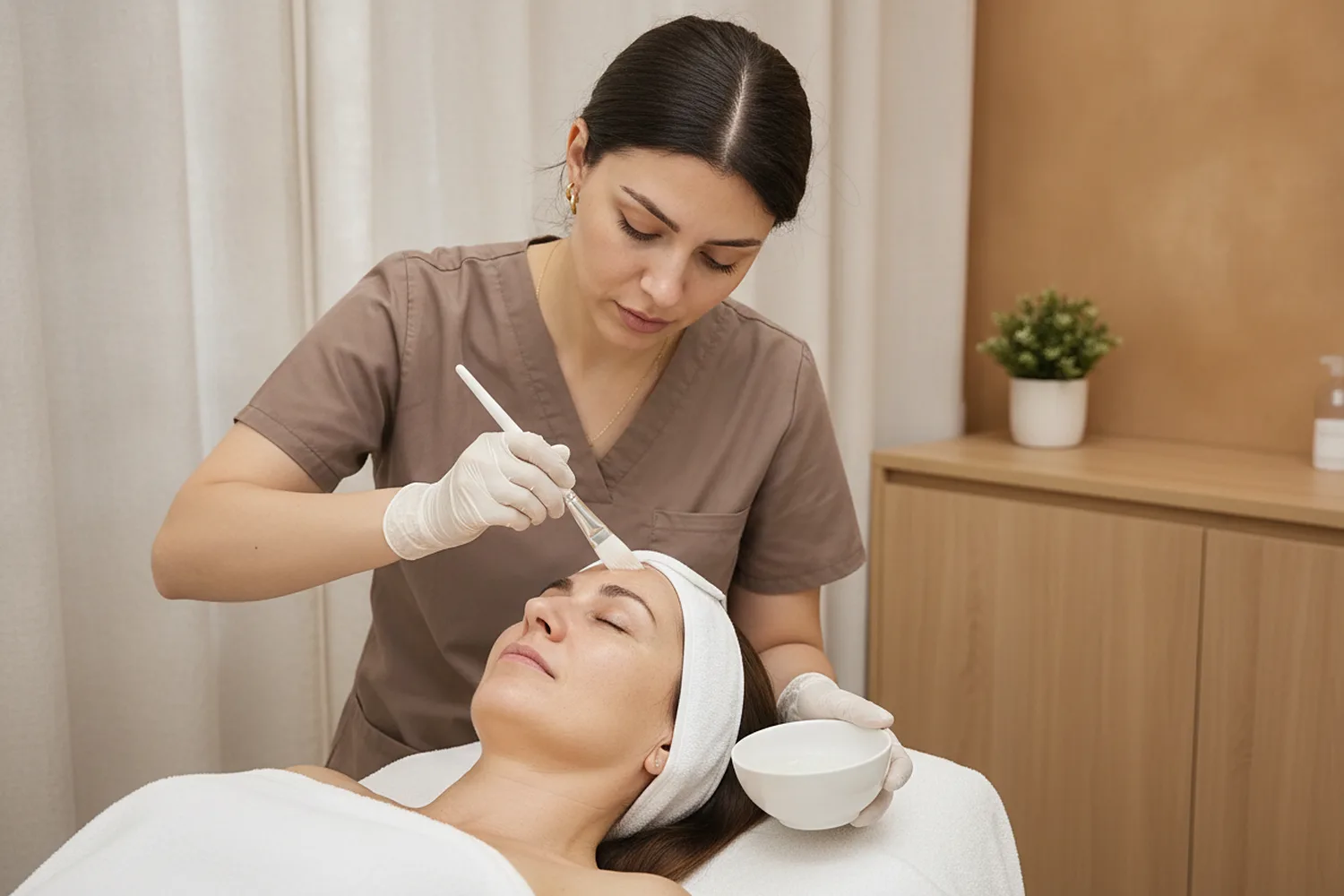 Chemical PeelA course of gentle peels lifts surface pigment and evens tone, with the strength chosen to suit your skin type.
 MicroneedlingThe brightening option pairs microneedling with targeted serums to improve tone and texture together.From AED 499
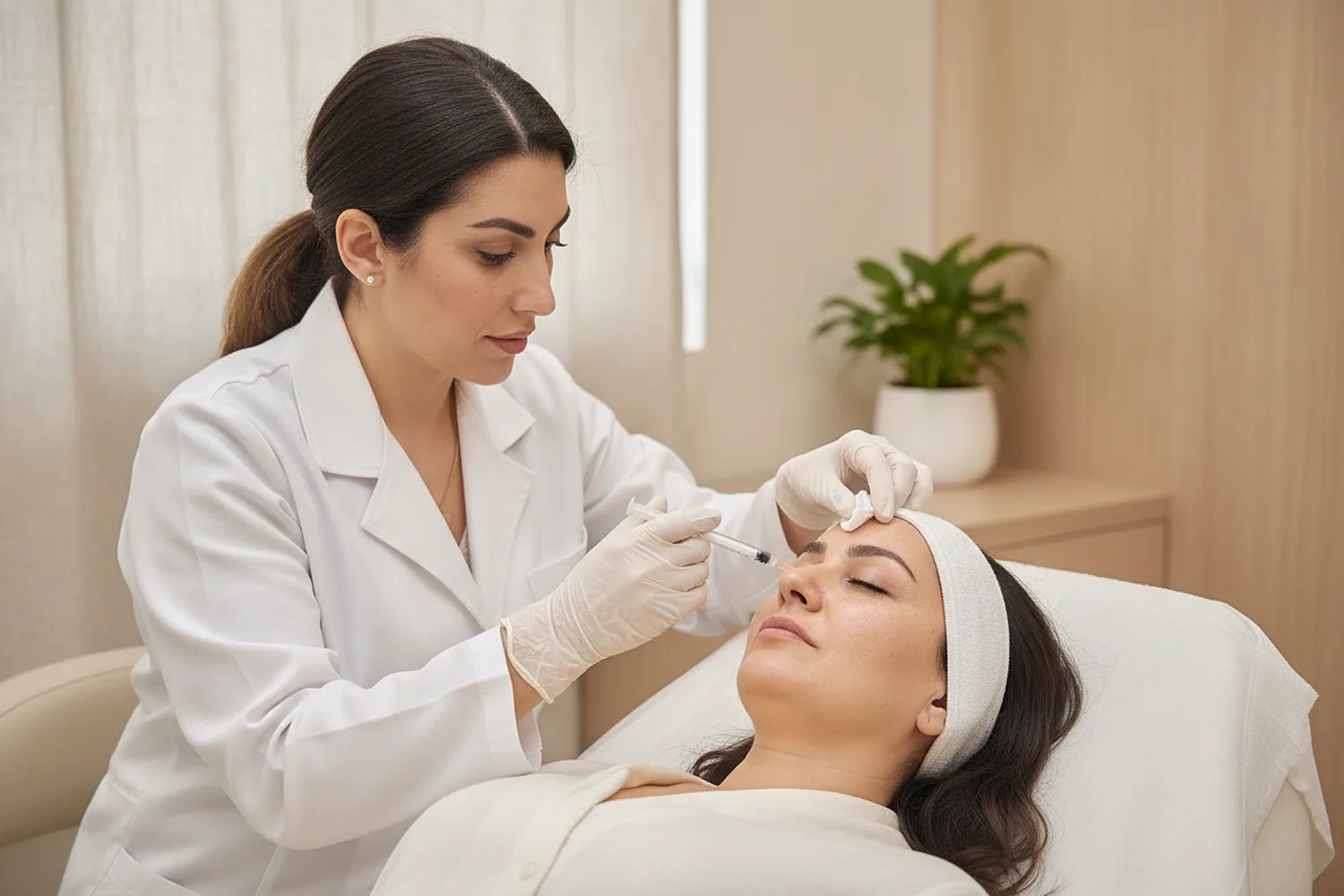 MesotherapyMicro-injections of brightening and hydrating ingredients support a more even, radiant complexion.From AED 999
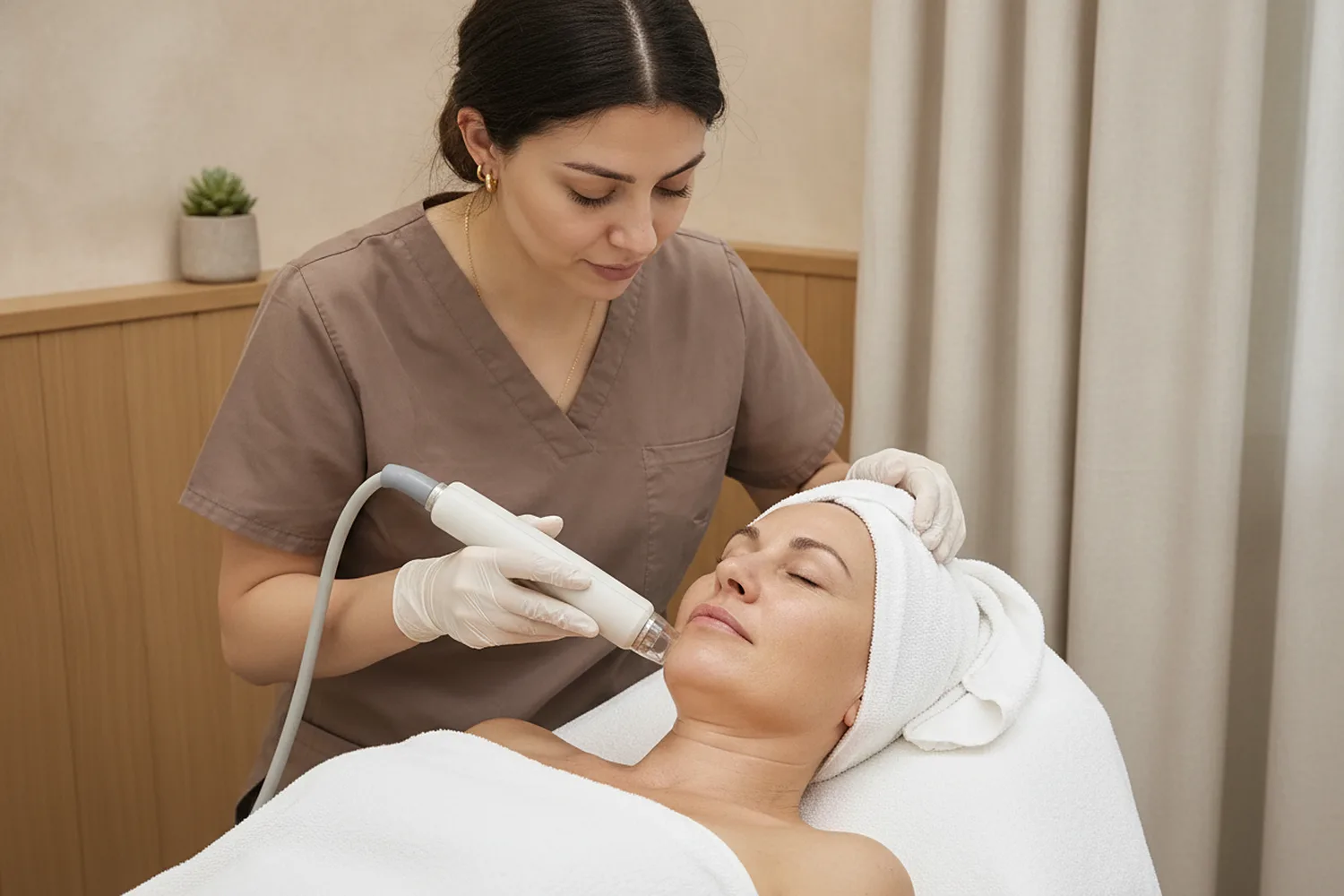 HydraFacialA gentle maintenance facial that cleanses, exfoliates and delivers brightening serums between courses.From AED 499
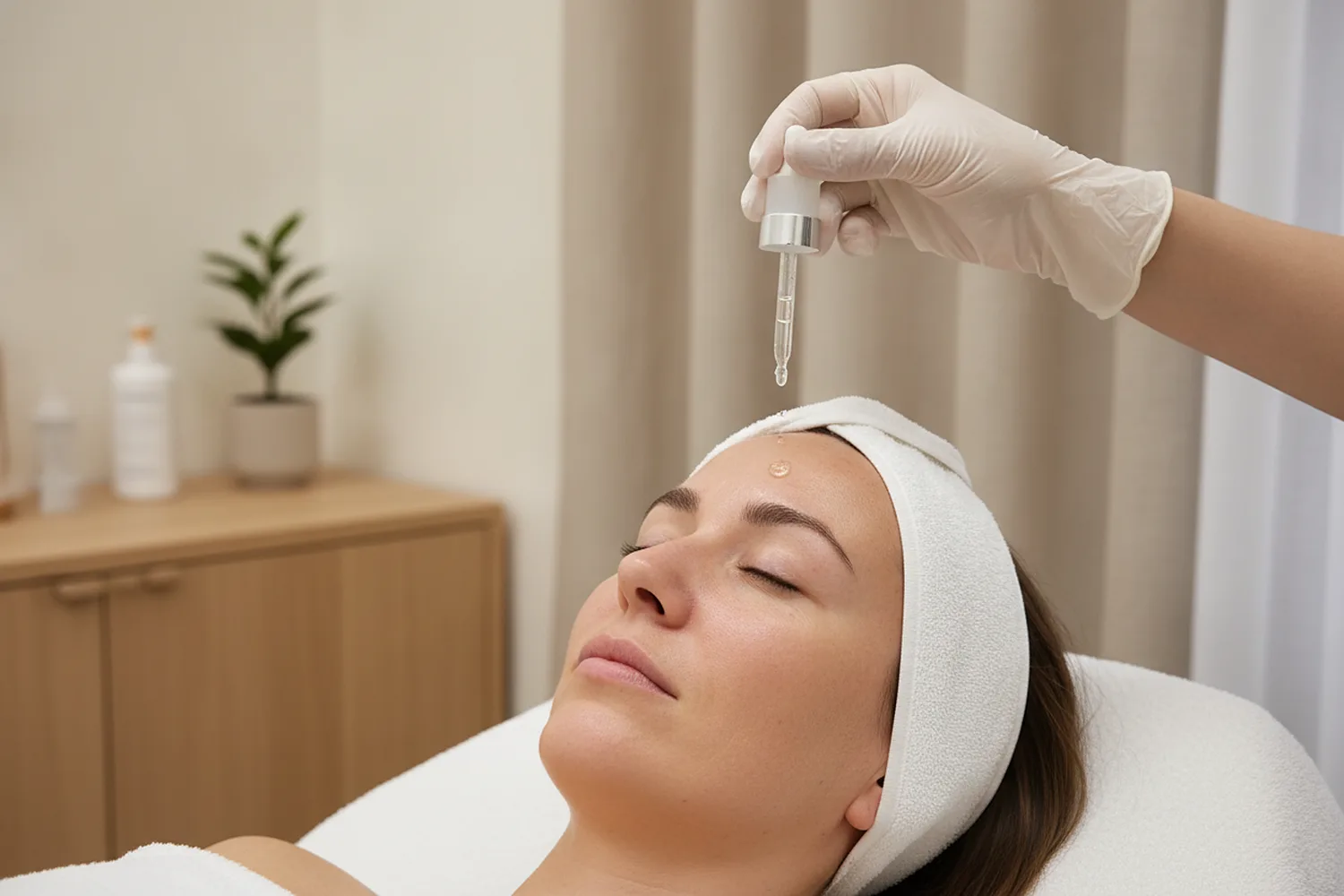 ExosomesRegenerative serums can support skin repair and calm the irritation that keeps pigmentation active.From AED 1,499
What causes pigmentation?
Pigmentation is extra melanin in the skin. It shows up in a few different ways. Sun spots (solar lentigines) are flat brown marks on areas that see the most sun. Post-inflammatory hyperpigmentation is the dark mark left behind after a spot, a burn, a rash or an aggressive treatment. Melasma is a pattern of brown or grey-brown patches, usually on the cheeks, forehead, upper lip and chin.
Melasma has several triggers working together: hormones (pregnancy, the contraceptive pill, hormone therapy), genetics, ultraviolet light, visible light and heat. It is more common in women and in medium to darker skin tones, which is why it is so common in the UAE.
The type matters because the treatment differs. A sun spot can often be lifted quite quickly. Melasma needs a gentler, longer approach, because heat and irritation can make it darker.
How a doctor assesses it
- 01
History
Your doctor asks when the patches appeared, whether they change with the seasons, pregnancy or medication, and what you have already tried.
- 02
Skin examination
The pattern, colour and depth of the pigment are checked in good light. Pigment that sits deeper in the skin usually takes longer to fade.
- 03
Skin type and triggers
Your skin type guides which treatments are safe. Medium and darker skin needs gentler settings to avoid new marks.
- 04
A written plan
You leave with a home routine and a course of in-clinic treatments, with review points so you can see what is working.
What helps at home
In-clinic treatment works best when your daily routine protects the result. Without sun protection, pigmentation usually comes back.
- A broad-spectrum SPF 50 every morning, reapplied every 2 to 3 hours outdoors. A tinted sunscreen also helps block visible light
- Shade, a wide-brimmed hat and sunglasses during the midday hours
- Brightening ingredients such as vitamin C, niacinamide and azelaic acid, introduced slowly
- No picking or squeezing spots, which leaves new dark marks
- Avoid harsh scrubs and DIY lemon or bleach remedies, which irritate skin and can worsen pigment
When to see a doctor
Book a consultation if a patch has not faded after a few months of good sun protection, if pigmentation is spreading, or if it is affecting your confidence. Starting early usually means a simpler plan.
See a doctor promptly if a dark spot is new and changing in size, shape or colour, has an irregular edge, bleeds or itches. Any mole or spot like this needs to be checked before any cosmetic treatment.
Every plan starts
with a free consultation
- 01
Consultation With a Doctor
Talk through your goals, health history and what you have tried before.
- 02
InBody Analysis
A body-composition scan of fat, muscle and water gives a baseline beyond weight.
- 03
Your Personalised Plan
Recommended treatments, sessions, expected changes and costs, in writing.
- 04
Weekly Progress Tracking
Measured check-ins so your plan adapts as your body changes.
Your questions,
answered
Melasma is a chronic condition, so it can be controlled well but not cured for good. Most people see clear fading with treatment and daily sun protection. Sun, heat, hormones and pregnancy can bring it back, so a simple maintenance routine is part of every plan.
The cost depends on the treatment and the number of sessions your doctor recommends. Current prices are listed on each treatment page, such as chemical peels, microneedling and mesotherapy, and all prices exclude VAT. Your consultation is free, and new patients get 20% off their first visit.
Most pigmentation plans involve 3 to 6 sessions spaced 2 to 4 weeks apart, followed by maintenance. Sun spots often respond faster than melasma. Your doctor will give you a realistic timeline after examining your skin.
Yes, when the treatment and settings are chosen for your skin type. Medium and darker skin is more prone to new dark marks after irritation, so gentle peels and careful technique are used. This is one reason a doctor assessment comes first.
No. The aim is brightening: fading dark patches so they blend with your natural skin tone. Your overall complexion is not lightened.
Ultraviolet light, visible light and heat all stimulate pigment cells. In Dubai, even short trips outdoors or sitting near a sunny window add up. A tinted SPF 50, reapplied through the day, makes a real difference.
Other concerns in
Aesthetics & Wellness

Get a treatment plan
for your body goals
Book your free
consultation online
Choose a day and time that suits you. Your consultation includes a doctor assessment and InBody analysis, with no obligation to book treatment.
You are booking:
New patient? Mention the 20% first-visit offer when you book.
- Open every day, 10 a.m. to 9:30 p.m.
- Mercato Mall, Jumeirah Beach Road
- Free consultation with InBody analysis
Visit us
in Mercato
Our Jumeirah clinic is inside Mercato Mall on Jumeirah Beach Road, with mall parking on site.
Jumeirah Beach Road, Dubai
Monday to Sunday, 10 a.m. to 9:30 p.m.